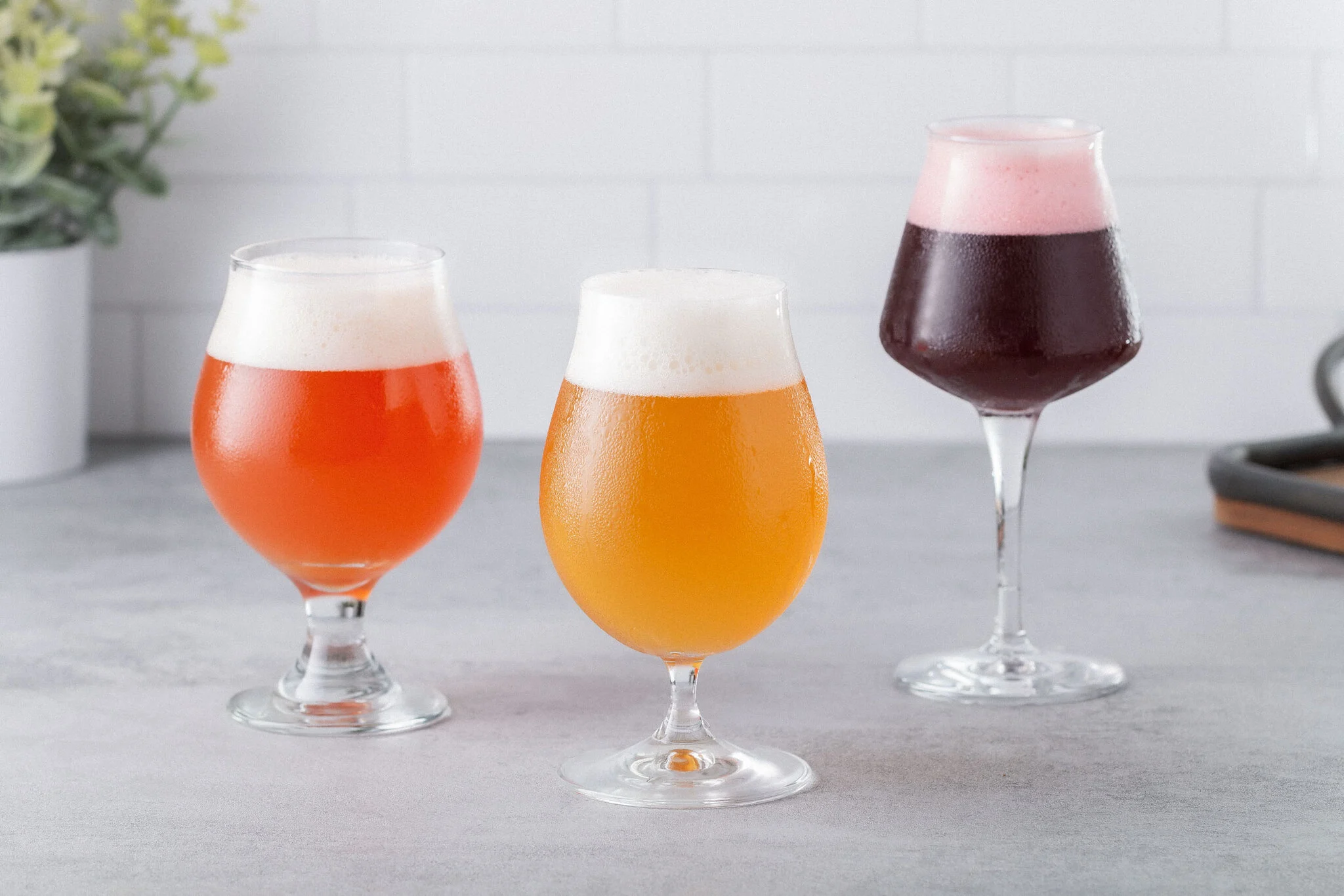
The first time I tried a sour beer, I was at a craft brewery in Asheville, North Carolina, surrounded by friends who swore it would “change my life.” The bartender slid a hazy, peach-colored glass my way, and I took a sip, expecting the crisp bite of a lager. Instead, my lips puckered like I’d bitten into a lemon, and my brain did a double-take—tart, funky, and strangely addictive. That was my introduction to a Berliner Weisse, and it sparked a love affair with sours that’s had me chasing pucker ever since. From taprooms to homebrewing disasters (let’s not talk about my first kettle-soured attempt), I’ve learned that sour beers are more than a style—they’re a vibe. They’re bold, complex, and a little rebellious, defying the clean predictability of mainstream brews. If you’ve ever wondered why that beer tastes like a tart candy or a funky orchard, this is your deep dive into what makes a sour beer sour. Grab a glass, and let’s explore the science, craft, and magic behind that lip-smacking goodness.
Sour beers aren’t just a trend; they’re a centuries-old tradition reborn in modern taprooms, blending microbiology with artistry. Whether you’re a hop-head curious about the funk or a newbie eyeing that vibrant bottle, understanding the sour process is like unlocking a secret beer language.
What Is a Sour Beer?
A sour beer is any brew intentionally crafted to have a tart, acidic flavor, often with funky, fruity, or earthy notes. Unlike the crisp neutrality of a pilsner, sours get their pucker from bacteria or wild yeast, which ferment sugars into acids during brewing. Think of it as beer with a wild side—less “chug” and more “savor.”
My first sour was a revelation; it wasn’t just beer—it was a conversation starter. From traditional lambics to modern goses, sours vary widely but share that signature tang.
The Science Behind the Sour: How It Gets That Pucker
Sour beers owe their distinctive taste to a controlled dance of microorganisms—bacteria like Lactobacillus and Pediococcus, and wild yeasts like Brettanomyces. These critters ferment sugars into lactic or acetic acid, creating that tart zing. Unlike standard ales using clean Saccharomyces yeast, sours embrace the funk, often aging for months or years to deepen flavors.
I once toured a brewery where the brewer called their barrels “petri dishes with personality.” That stuck with me—sours are alive, evolving in ways lagers never dream of.
The Role of Bacteria in Sour Beers
Lactobacillus and Pediococcus are the MVPs of souring, producing lactic acid for that clean, yogurt-like tartness. Lactobacillus works fast, often in days, while Pediococcus takes its time, adding complexity and sometimes a buttery note. Brewers control their balance like chefs seasoning a dish.
At a beer fest, I tried a Pediococcus-heavy sour that tasted like sour candy—wildly intense but balanced by fruit. It’s a tightrope act for brewers.
Wild Yeast and the Funk Factor
Brettanomyces (or “Brett”) is the rockstar of wild yeast, lending sours their funky, barnyard, or leather-like notes. Unlike clean yeasts, Brett keeps working post-fermentation, evolving flavors over time. It’s why some sours taste like a rustic farmhouse in a glass.
My homebrewing buddy swore by Brett for his sours, but his first batch went too funky—think wet horse blanket. Lesson: Brett needs a leash.
Acetic Acid and Vinegar Vibes
Acetic acid, often from Acetobacter, brings a sharp, vinegar-like edge, common in styles like Flanders Red. It’s less common than lactic acid but adds punch when balanced. Too much, though, and you’re sipping salad dressing.
I once tried a Flanders Red that danced on the vinegar line—bracing but brilliant with a cherry finish. It’s a bold choice for adventurous palates.
The Main Types of Sour Beers
Sour beers come in a dizzying array, from traditional European styles to American experiments. Each has its own souring method, flavor profile, and vibe. Here’s a rundown of the heavy hitters, based on my tastings and brewery chats.
| Sour Style | Origin | Souring Agent | Flavor Profile | ABV Range |
|---|---|---|---|---|
| Lambic | Belgium | Wild yeast, bacteria | Tart, funky, fruity, complex | 5-7% |
| Gose | Germany | Lactobacillus, salt, coriander | Crisp, salty, lemony | 4-5% |
| Berliner Weisse | Germany | Lactobacillus | Light, tart, refreshing | 3-5% |
| Flanders Red | Belgium | Lactobacillus, Acetobacter | Cherry, vinegar, oak | 5-7% |
| American Wild Ale | USA | Mixed cultures, Brett | Varies: fruity, funky, or tart | 5-10% |
Lambics are my go-to for complexity, but goses win for summer sipping—light and zesty.
Lambic: The OG of Sours
Lambics, from Belgium’s Pajottenland, ferment spontaneously with wild yeasts in the air, aging in barrels for up to three years. They’re tart, funky, and often fruit-infused (think kriek with cherries). Their depth is unmatched.
I tried a gueuze lambic at a Brussels bar—blended for balance, it was like drinking a tart orchard. Pricey, but worth every sip.
Gose: Salty and Zesty
Gose (pronounced “go-zuh”) is a German wheat beer soured with Lactobacillus, spiked with salt and coriander. It’s crisp, refreshing, and perfect for hot days. Modern versions toss in fruit like passionfruit for extra zip.
My local taproom’s mango gose was a game-changer—salty-tart with a tropical kick. It’s like a margarita you can drink all afternoon.
Berliner Weisse: Light and Lively
Berliner Weisse is a low-ABV German sour, cloudy and lemony, often served with fruit syrups in Europe. It’s quick to sour, making it a brewer’s playground for flavors like raspberry or grapefruit.
I once had a grapefruit Berliner that tasted like summer in a glass—light enough for seconds, tart enough to wake you up.
Flanders Red and Brown: Oaky Elegance
Flanders ales, aged in oak, blend sweet malt with tart cherry or balsamic notes. Reds lean fruitier, browns earthier. They’re sours with sophistication, perfect for wine lovers dipping into beer.
A Flanders Red at a dinner party paired better with steak than the cabernet—true story. It’s a foodie’s dream.
American Wild Ales: The Rebels
American brewers throw rules out the window, mixing bacteria, Brett, and fruits in barrels for unpredictable results. From tart peach sours to funky barrel-aged blends, they’re bold and boundary-pushing.
I sampled a wild ale aged with apricots at a festival—tart, sweet, and utterly unique. It’s America’s love letter to experimentation.
How Sour Beers Are Made
Brewing sours is part science, part sorcery. Unlike standard beers, where clean fermentation is king, sours invite microbes to the party. The process varies by style, but the core is controlled chaos—guiding bacteria and yeast to create tartness without spiraling into undrinkable funk.
My homebrewing attempts taught me respect for the pros; one bad batch tasted like sour milk gone rogue. Here’s how the experts do it.
Traditional Spontaneous Fermentation
Lambics rely on wild yeasts floating in the air, captured in open vats during cool months. The wort ferments in barrels for years, letting bacteria and Brett build complex tartness. It’s slow, risky, and magical.
Visiting a Belgian brewery, I saw barrels stacked like art—each one a unique sour waiting to happen. Patience is the name of the game.
Kettle Souring for Speed
Kettle souring, used for goses and Berliner Weisses, adds Lactobacillus to the wort pre-boil for a quick acid hit—days, not years. It’s cleaner, cheaper, and lets brewers tweak tartness fast.
I watched a brewer test pH like a chemist during kettle souring. Precision matters, or you’re sipping straight lemon juice.
Barrel Aging for Depth
Many sours, like Flanders Reds or American wilds, age in oak barrels, where bacteria and Brett work over months or years. Barrels add woody, vanilla, or wine-like notes, amplifying complexity.
A barrel-aged sour I tried had hints of the chardonnay cask it lived in—fancy, but worth the $12 pour.
Blending for Balance
Master blenders mix young and old sours to nail the perfect tart-sweet-funk ratio, especially for gueuze lambics. It’s like crafting a fine whiskey, but with beer.
I met a blender who compared it to painting—each barrel a color, the final blend a masterpiece. It’s art in a bottle.
Why Sour Beers Are So Polarizing
Sours aren’t for everyone—some love the tart shock, others recoil like it’s spoiled juice. The divide comes from expectations: if you want a smooth lager, a sour’s funk feels like a betrayal. But for those who lean in, it’s a flavor adventure.
I brought a sour to a family barbecue once; half the crowd raved, half gagged. Now I warn newbies: expect the unexpected.
Pros and Cons of Sour Beers
| Pros | Cons |
|---|---|
| Complex, layered flavors | Not beginner-friendly |
| Pairs well with food | Can be pricey ($10-$20/bottle) |
| Low ABV options for easy drinking | Funky notes can overwhelm |
| Unique, artisanal appeal | Limited availability in some areas |
Sours shine with foodies and craft nerds but might scare off Bud Light fans.
Comparison: Sours vs. IPAs
| Feature | Sour Beers | IPAs |
|---|---|---|
| Flavor Profile | Tart, funky, fruity | Bitter, hoppy, piney |
| ABV Range | 3-10% | 5-12% |
| Brewing Time | Weeks to years | Days to weeks |
| Best For | Sipping, pairing with meals | Hop lovers, bold flavor seekers |
| Accessibility | Niche, craft-focused | Widely available |
IPAs are the loud extroverts; sours are the quirky poets. I love both, but sours feel more intimate.
Where to Find the Best Sour Beers
Craving a sour? Craft breweries, taprooms, and specialty bottle shops are your best bet. Chains like Total Wine stock solid selections, but local spots often carry rare gems. Online retailers like CraftShack ship nationwide, perfect for hard-to-find lambics.
My go-to is a divey taproom in Portland with 10 sours on draft—always a new surprise. Check Untappd for local recommendations.
Top Breweries for Sours
- The Bruery (CA): Known for complex American wilds like Terreux series.
- Cantillon (Belgium): Lambic royalty—kriek and gueuze are legendary.
- Jester King (TX): Farmhouse sours with Texas flair, often fruit-forward.
- Side Project (MO): Barrel-aged sours with cult status.
- Westbrook (SC): Gose masters, especially their key lime pie version.
I splurged on a Cantillon bottle once—$30, but it was like sipping history.
Best Tools for Homebrewing Sours
Want to brew your own? Sours demand precision, especially for sanitation and pH control. Starter kits like those from Northern Brewer are great, but add these for sour success.
- pH Meter: Ensures your tartness is on point ($20-$50).
- Carboy or Oak Barrel: For aging and flavor depth ($30-$200).
- Lactobacillus Culture: Pick a strain like L. brevis ($10-$15).
- Sanitization Gear: Star San is a must to avoid contamination ($10).
- Fruit Purees: Mango or cherry for flavor pops ($5-$15).
My first sour batch failed because I skipped sanitizing—don’t be me. Invest in clean gear.
Pairing Sour Beers with Food
Sours are food’s best friend, cutting through richness or complementing sweets. Their acidity balances fatty dishes, while fruit notes elevate desserts. I’ve tested pairings at countless dinners—here’s what works.
- Gose + Seafood: Salty gose with shrimp tacos is perfection.
- Lambic + Cheese: Kriek with brie is a creamy-tart dream.
- Berliner Weisse + Salad: Citrusy sours lift greens with vinaigrette.
- Flanders Red + Steak: Tartness cuts through the fat like a knife.
- Wild Ale + Dessert: Apricot sours with cheesecake—divine.
At a friend’s wedding, a raspberry lambic stole the show with chocolate cake. Experiment and enjoy.
People Also Ask
Google’s PAA for sour beers often hits on basics, styles, and approachability. Here’s what folks are curious about, based on my research and brewery Q&As.
What makes a beer a sour beer?
Sour beers get their tartness from bacteria like Lactobacillus or wild yeast like Brettanomyces, which produce acids during fermentation. Unlike clean ales, they’re aged to develop funky, fruity, or earthy flavors. It’s controlled chaos for a pucker-packed sip.
Are sour beers high in alcohol?
Not always—sours range from 3% (Berliner Weisse) to 10% (some wild ales). Most hover around 5-7%, making them sessionable. Check labels; lambics can creep higher with age.
Why are sour beers so expensive?
Long aging (up to three years), small batches, and costly ingredients like fruit or oak barrels drive prices. A Cantillon gueuze might cost $20-$30 for a 750ml bottle due to its rarity and craft.
Can you make sour beer at home?
Yes, with patience and gear like a pH meter and carboy. Kettle souring is beginner-friendly, taking days, while barrel-aged sours need months. Sanitize obsessively—wild microbes are tricky.
Frequently Asked Questions
Are sour beers safe to drink?
Absolutely—souring bacteria like Lactobacillus are food-grade, used in yogurt too. The funk is intentional, not spoilage. My skeptical dad tried one and now asks for goses at every barbecue.
Can sour beers be sweet?
Some sours balance tartness with sweetness, especially fruit-infused ones like kriek lambics. American wilds often add fruit purees for a candy-like edge. Taste varies—try a flight to find your jam.
How do I store sour beers?
Keep them cool (45-55°F) and dark to preserve flavors; cellaring works for high-ABV sours like lambics. Drink fresh for goses—they lose zip over time. My fridge has a “sour shelf” for emergencies.
What’s the difference between a sour and a wild ale?
Sours are any tart beers; wild ales use wild yeast like Brettanomyces for funkier, less predictable flavors. All wild ales are sours, but not all sours are wild. My first wild ale felt like a flavor rollercoaster.
Are sour beers gluten-free?
Most aren’t, as they’re barley or wheat-based. Some breweries offer gluten-free sours using sorghum or rice, but they’re rare. Always check labels if you’re sensitive—I learned this after a friend’s reaction.
There you go—a full pour of what makes sour beers tick, from their microbial magic to their place at your table. Whether you’re sipping a kriek by candlelight or brewing your own tart experiment, sours are a journey worth taking. Next time you’re at a taproom, order one, take a sip, and let that pucker spark a story. What’s your favorite sour? Drop a comment—I’m all ears (and tastebuds). Cheers to the funk! (Word count: 2,612)